Thursday, 16 May 2019

Fairy Tale Friday--The Most Obedient Servant (Cricket Magazine, 1996)

Before I begin this week I would like to ask you a favour. If you are a reader of Fairy Tale Friday and enjoy it, would you consider backing my kickstarter campaign to help me publish my book of retellings of traditional tales through a feminist lens? Please go to the link below and see what it is about. I am grateful for your support. Thanks.
WOUNDS: NEW OPENINGS INTO OLD STORIES

Hello and welcome to Fairy Tale Friday. Are you sitting comfortably? Good. Then I’ll begin.

This week we look at an unusual tale in that the gender roles are reversed. I found this story in the March 1996 issue of Cricket Magazine for Children. Like many of its counterparts, our hero’s abusers are lazy, rude and selfish and it is the opposite qualities which set our protagonist apart that make them marriage material. This version is entitled The Most Obedient Servant retold by Anna Salyers Miller and illustrated by Deborah Nourse Lattimore.

Sadly, in so many of the female versions (basically every other one) our heroine is admired by the prince for her beauty and her grace and perhaps her quiet self-effacing attitude. We have seen heroines who are passive and wait for a magical helper to solve their problems get chosen by the prince. We have seen heroines who displayed some spunk and ingenuity to make their dreams come true get chosen by the prince. But the prince never knew what lengths she had gone to get there. He just saw her pretty face and her fancy dress and her shy demeanour (so shy she won’t even tell him her name!) and that’s why he wanted her. Which makes me really sad.

This version has a loyal servant who is everything his two masters are not. He is kind and caring. He is studious and wise. He is loyal. The two brothers and their mother are the male equivalent of the wicked stepmother and ugly stepsisters, treating him badly after his father dies. In some of our tales our heroine wants to go to the ball, in other tales she wants to go to church. In every one of these tales, she needs new clothes to do it. She has to look to good to catch the prince’s eye. In this tale, a decree goes out that all unmarried men must come and take an examination to see who is best suited to become a high ranking government official and marry the king’s only daughter and someday rule the land. The spouse of the royal person is not chosen by their looks but by their intellect. This also makes me sad that so few of the female protagonist tales mention her intellect at all.

As you would expect, the two lazy masters don’t study at all. They tell their stepbrother the servant to study for them and fill them in later about what he has learned. Moonhi, being a very obedient servant, obeys. When they all go to the palace for the exam (Moonhi is there to do the cooking and the cleaning) they happen upon an old man. The man is hungry and so Moonhi shares his rice. The man is injured so Moonhi makes a poultice for the old man’s hand. The old man is so impressed that he encourages Moonhi to sit the exam which, being an obedient servant, he does. And what do you know—the old man was the king and he sees the true worth of our protagonist by his actions, in spite of his social class. In the female versions, we nearly always see the prince not care that her background was once humble or that she is dirty and wears rags because she scrubs up well. But here it is Moonhi’s actions and not his looks (although the story describes him as handsome) that make him a suitable mate.

The story itself is so beautifully rendered in Cricket magazine that I asked my husband the Amazing Spiderman to scan it for me. You will need to click on them to enlarge to read. 

That’s all for this week. Stay tuned next week as we start to look at the other variation of Cinderella with a more incestuous edge.

Wednesday, 15 May 2019

What We Ate Wednesday--Pea and Pesto Soup

Hello lovelies! This another one of those really-quick-when-you-are-tired-after-work sort of meals where you need something quick and nourishing. It comes together even quicker if you have made several batches of BESTO PESTO in advance and can just defrost one in your fridge the day before you plan to cook with it.

I made this with some spinach and walnut (with extra garlic) pesto from my freezer and it was done in about 25 minutes.

A word of warning....when I was researching Pea and Pesto Soup recipes many called for just 4 tablespoons of pesto for a huge batch of soup. Nah uh. Not me. No way. I used a full cup of pesto for an intense mmmmm factor.

I based my recipe around this one from VIBRANT PLATE but added the pesto. I chose her recipe because it added a potato which gave it a bit more oomph.


Pea and Pesto Soup
First make your spinach and walnut pesto. Recipe is {HERE} Or just defrost one you made earlier in your fridge the day before you want it.

You need:
1 onion, chopped
3 cloves of garlic, crushed
1 large potato (about the size of a man's fist)diced
300g (2 cups) frozen peas, defrosted 
700ml (about 3 cups) hot vegetable stock
juice of half a lemon
salt and pepper to taste

1. In a large pot saute the onion and the garlic in a splash of oil or water until softened. Add the potato and the defrosted peas and the hot vegetable stock and bring to the boil, then reduce heat and simmer until potatoes are soft (about 12-15 minutes)
2. When potatoes are soft, add your pesto and transfer the whole lot to a blender and puree until smooth. This is one recipe that needs to be smooth...my immersion (stick) blender just does not cut it. Put the pureed green soup back in the pan and add the juice of half a lemon and salt and pepper to taste. Reheat to piping hot and serve.

That's it. Really easy. Really quick. Made 4 big bowls and was really delicious.

Friday, 10 May 2019

Fairy Tale Friday--Tattercoats (England, 1893)

Hello and welcome to Fairy Tale Friday. Are you sitting comfortably? Good. Then I’ll begin.

This week we look at a tale entitled Tattercoats which was collected by Joseph Jacobs. Jacobs was a prolific collector of tales and popularised some of the world’s bet known English fairy tales such as Jack and the Beanstalk, Goldilocks and the Three Bears and The Three Little Pigs. He not only collected English fairy tales, but also collected Jewish, Celtic and Indian fairy tales which made him one of the most popular writers of fairy tales and an expert of English folklore. We have already seen some of his retellings of Cinderella with Cap O' Rushes, Rushen Coatie and The Cinder Maid.

 I was lucky enough to find a combined copy of Jacob’s  English Fairy Tales (1890) and More English Fairy Tales (1893) at Carmarthen Free Books. 

This is an interesting tale as it features elements of Aarne-Thompson Uther 510B—persecuted heroine but without the bit about father wanting to marry her. It also features a neglectful grandfather rather than a stepmother, which makes a nice change. Tattercoats is an orphan whose mother died in childbirth and whose father is not mentioned. The tale is interesting in that the reason she is hated and neglected by her grandfather is that his favourite daughter died in childbirth and he cannot forgive her for that. In other versions such as the Meat Loves Salt variant of this tale we see the father learn the errors of his ways and embrace the daughter he turned his back on, but not here. At the royal wedding he leaves because he cannot bear to look at his granddaughter. 

It also contains a few elements of one of my favourite fairy tales The Goose Girl. In Tattercoats, she spends her days in the fields with the gooseherd boy dancing to his sweet piping amongst the geese. The Gooseherd is her magical helper, not by changing her clothes from rags to beautiful gowns but by playing his pipe and encouraging her to dance barefoot in the street on the way to the palace where she is seen by the Prince. At the end the gooseherd is never seen again, and the story says, “no one knew what became of him.” Was he really magical or was he just a boy with a flock of geese?

The character of the grandfather reminded me of Mrs Havisham from Dickens' Great Expectations slowly going mad in his own house. The story says:
So he turned his back, and sat by his window looking out over the sea, and weeping great tears for his lost daughter, till his white hair and beard grew down over his shoulders and twined round his chair and crept into the chinks of the floor, and his tears, dropping on to the window-ledge, wore a channel through the stone, and ran away in a little river to the great sea.
Image result for tattercoats
Arthur Rackham
Tattercoats source
IN a great palace by the sea there once dwelt a very rich old lord, who had neither wife nor children living, only one little granddaughter, whose face he had never seen in all her life. He hated her bitterly, because at her birth his favourite daughter died; and when the old nurse brought him the baby, he swore, that it might live or die as it liked, but he would never look on its face as long as it lived.

So he turned his back, and sat by his window looking out over the sea, and weeping great tears for his lost daughter, till his white hair and beard grew down over his shoulders and twined round his chair and crept into the chinks of the floor, and his tears, dropping on to the window-ledge, wore a channel through the stone, and ran away in a little river to the great sea. And, meanwhile, his granddaughter grew up with no one to care for her, or clothe her; only the old nurse, when no one was by, would sometimes give her a dish of scraps from the kitchen, or a torn petticoat from the rag-bag; while the other servants of the palace would drive her from the house with blows and mocking words, calling her 'Tattercoats', and pointing at her bare feet and shoulders, till she ran away crying, to hide among the bushes.

And so she grew up, with little to eat or wear, spending her days in the fields and lanes, with only the gooseherd for a companion, who would play to her so merrily on his little pipe, when she was hungry, or cold, or tired, that she forgot all her troubles, and fell to dancing, with his flock of noisy geese for partners.

But, one day, people told each other that the king was travelling through the land, and in the town nearby was to give a great ball, to all the lords and ladies of the country, when the prince, his only son, was to choose a wife.

One of the royal invitations was brought to the palace by the sea, and the servants carried it up to the old lord, who still sat by his window, wrapped in his long white hair and weeping into the little river that was fed by his tears.

But when he heard the king's command, he dried his eyes and bade them bring shears to cut him loose, for his hair had bound him a fast prisoner and he could not move. And then he sent them for rich clothes, and jewels, which he put on; and he ordered them to saddle the white horse, with gold and silk, that he might ride to meet the king.

Meanwhile Tattercoats had heard of the great doings in the town, and she sat by the kitchen door weeping because she could not go to see them. And when the old nurse heard her crying she went to the lord of the palace, and begged him to take his granddaughter with him to the king's ball.
But he only frowned and told her to be silent, while the servants laughed and said:
'Tattercoats is happy in her rags, playing with the gooseherd, let her be -- it is all she is fit for.'

A second, and then a third time, the old nurse begged him to let the girl go with him, but she was answered only by black looks and fierce words, till she was driven from the room by the jeering 
servants, with blows and mocking words.

Weeping over her ill success, the old nurse went to look for Tattercoats; but the girl had been turned from the door by the cook, and had run away to tell her friend the gooseherd how unhappy she was because she could not go to the king's ball.

But when the gooseherd had listened to her story, he bade her cheer up, and proposed that they should go together into the town to see the king, and all the fine things; and when she looked sorrowfully down at her rags and bare feet, he played a note or two upon his pipe, so gay and merry that she forgot all about her tears and her troubles, and before she well knew, the herdboy had taken her by the hand, and she, and he, and the geese before them, were dancing down the road towards the town.

Before they had gone very far, a handsome young man, splendidly dressed, rode up and stopped to ask the way to the castle where the king was staying; and when he found that they, too, were going thither, he got off his horse and walked beside them along the road.
The herdboy pulled out his pipe and played a low sweet tune, and the stranger looked again and again at Tattercoats's lovely face till he fell deeply in love with her and begged her to marry him.

But she only laughed and shook her golden head.

'You would be finely put to shame if you had a goosegirl for your wife!' said she; 'go and ask one of the great ladies you will see tonight at the king's ball, and do not flout poor Tattercoats.'

But the more she refused him the sweeter the pipe played, and the deeper the young man fell in love; till at last he begged her, as a proof of his sincerity, to come that night at twelve to the king's ball, just as she was, with the herdboy and his geese, and in her torn petticoat and bare feet, and he would dance with her before the king and the lords and ladies, and present her to them all, as his dear and honoured bride.

So when night came, and the hall in the castle was full of light and music, and the lords and ladies were dancing before the king, just as the clock struck twelve, Tattercoats and the herdboy, followed by his flock of noisy geese, entered at the great doors, and walked straight up the ballroom, while on either side the ladies whispered, the lords laughed, and the king seated at the far end stared in 
amazement.

But as they came in front of the throne, Tattercoats's lover rose from beside the king, and came to meet her. Taking her by the hand, he kissed her thrice before them all, and turned to the king.
'Father!' he said, for it was the prince himself, 'I have made my choice, and here is my bride, the loveliest girl in all the land, and the sweetest as well!'

Before he had finished speaking, the herdboy put his pipe to his lips and played a few low notes that sounded like a bird singing far off in the woods; and as he played, Tattercoats's rags were changed to shining robes sewn with glittering jewels, a golden crown lay upon her golden hair, and the flock of geese behind her became a crowd of dainty pages, bearing her long train.

And as the king rose to greet her as his daughter, the trumpets sounded loudly in honour of the new princess, and the people outside in the street said to each other:

'Ah! now the prince has chosen for his wife the loveliest girl in all the land!'

But the gooseherd was never seen again, and no one knew what became of him; while the old lord went home once more to his palace by the sea, for he could not stay at court, when he had sworn never to look on his granddaughter's face.

So there he still sits by his window, if you could only see him, as you some day may, weeping more bitterly than ever, as he looks out over the sea.

That’s all for this week. Stay tuned next week for a gender reversal of this traditional tale. 

Wednesday, 8 May 2019

What We Ate Wednesday--Olive Tapenade Pasta with Kale and Roasted Tomatoes

Hello lovelies! This is another quick but delicious meal that we have been eating on a Saturday night after we both get home late from work. It comes together in a snap (especially so if you have made your olive tapenade ahead of time) and tastes gorgeous.

If you can't remember how to make the olive tapenade then click {HERE}. I make a huge batch and freeze it, so all I have to do is defrost it overnight in my fridge when I plan to use for the next day. 

This is so delicious and has a real umami savoury quality. The roasted tomatoes add vibrant colour and sweetness and really compliment the salty olives and cheesy sprinkles. Plus you get a serving of kale. What's not to love?

Olive Tapenade Pasta with Kale and Roasted Tomatoes


Move your oven rack to the highest place and turn on your grill or broiler. I set my temperature at 220 degrees C/425F.

You need:
1 cup olive tapenade
100 grams of kale, destemmed and torn into small bites (about 4 cups?) 
juice of half a lemon
6 TB nutritional yeast flakes
(GF) pasta for two 

1. Make your olive tapenade. Or be like me and have some already made that you defrosted. Click {HERE} to remind you how to make it.
2. Tear up your kale
3. Juice half a lemon
4. Boil your (GF) pasta according to package directions. I used 2 cups of dry pasta for 2 people. 

Meanwhile roast your tomatoes:

Punnet cherry tomatoes (250g)
Slice in halves or quarters and drizzle with
1 TB olive oil
2 tsp balsamic vinegar
generous salt and pepper


Arrange cut side up in a roasting pan.
Roast 15 minutes under the grill until collapsed and slightly blackened.

1.When your pasta is boiling and the tomatoes are roasting, cook your kale with a splash of water in a large pot until bright green and reduced. Add the olive tapenade, the nutritional yeast flakes and the lemon and stir until heated through. 

2.When the pasta is ready, drain it in a colander and add it to the kale and olive mixture. Divide the mixture into two bowls and top with the roasted tomatoes. 

 That's literally it. It doesn't even feel like a recipe. And it comes together in a snap when you are tired, but want something healthy. 

Friday, 3 May 2019

Fairy Tale Friday--Cinder-Girl (Wales, 1923)


Hello and welcome to Fairy Tale Friday. Are you sitting comfortably? Good. Then I’ll begin.

This week we look at a tale from Wales. I came across this book at our public library entitled Welsh Folk Tales by Peter Stevenson a few years ago. Recently, we got a copy in at the bookshop where I work and a re-read of it reminded me there was a most unusual Cinderella version in it.

The introduction states that there was a welsh gypsy storyteller by the name of Ellen Woods of Gogerddan who was said to be a witch who was paid to curse enemies, bewitch animals, tell fortunes and make love potions. She passed her tales onto her grandson the fiddler and storyteller Matthew Wood. John Sampson who was a librarian at Liverpool University translated these tales from Romani to English for the Gypsy Lore Society after meeting Matthew in 1896. The story of Cinder-Girl the Little Slut was published in 1923.

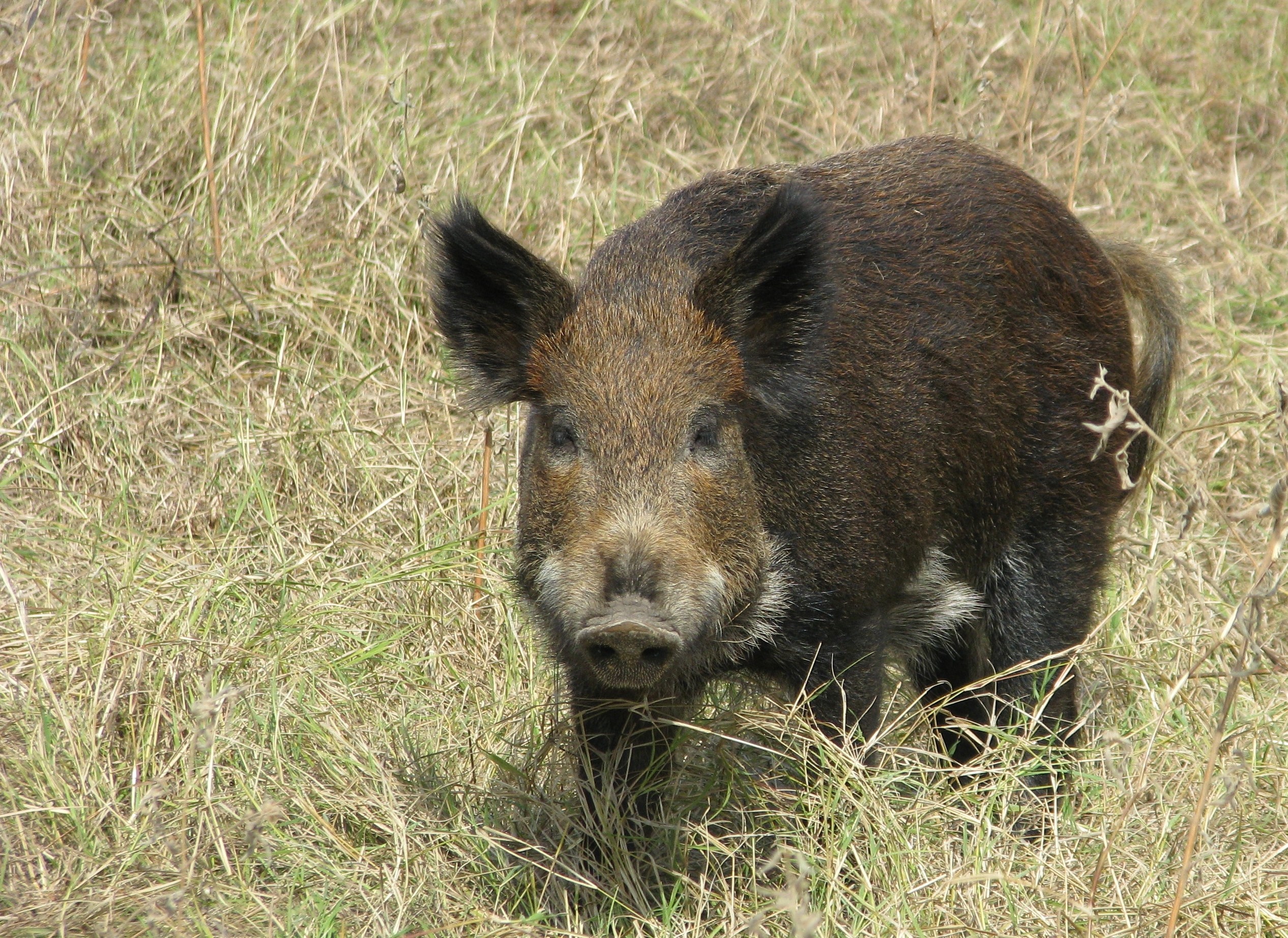
This tale follows the traditional storyline we have come to expect in these tales up to a point. Girl is persecuted by her sisters, girl is made to dress in rags and can’t go to church, a magical helper appears (an old beggar woman) who grants her a wish, a shoe is lost and found, and wedding takes place. Where it becomes unusual is after the royal marriage and the birth of her children. Still jealous, the eldest sister replaces our heroine’s babies with ugly dogs and her husband has her declared a witch and tries to burn her at the stake. The old beggar woman reappears and turns her into a wild pig and she runs off into the forest. Here she becomes the magical helper for her own children who are being raised by the eldest sister.  She is eventually murdered by her husband’s huntsman but her brave Firstborn Girl retrieves a piece of her mother’s liver from her corpse hanging outside the city gates and uses it to make a wish that brings her family back together. Now that is an unusual tale. It is also told in a very engaging style. The book credits the Society for Storytelling and you can see why—this would make a cracking oral story. It also wins the award for most commas in a list. As you read it, see if I’m wrong about this.
Image result for wild pig  river
source

Cinder-Girl

A small house, three sisters. The two older sisters thought themselves grand ladies, but they were ashamed of their grimy youngest sister, so they hid her amongst the cinders in the coal-hole where no one could see her. If anyone came to call they said, “Hide yourself, little slut.”

One Sunday, the two sisters came home from church all a-flutter about a handsome prince they had seen. Cinder-girl asked if she might be allowed to go to church and see the prince? “No, grimy little pig,” they said, “go and hide with the coal.”

Next Sunday, the two sisters went to church, leaving the Cinder-girl alone. An old beggar woman came to the door. Cinder-girl invited her in and gave her tea and cake. The old woman took the grimy girl by the land and led her outside. She gave her a white pebble and said, “Throw it against that rock, you will see a door, go inside, there will be a bed chamber, take off your grimy clothes, put on a fine dress, and a pair of golden slippers, go outside, you will see a pony, ride to the church, sit by the door, the prince will see you, then hurry home, put on your grimy clothes and say nothing.” And the old beggar woman disappeared, as they do in fairy tales.

Cinder-girl did as she was told, and everything happened the way the old woman said. Later that morning, a fine lady in golden slippers entered the church. The prince asked who she was, but no one knew. This went on for three weeks. On the third Sunday the beggar woman came again and told the Cinder-girl, “This day, leave early, the prince will follow, a slipper will fall from your foot and he will find it.”

Cinder-girl did as she was told and as she ran home a slipper fell from her foot. The prince followed and found the golden slipper. He held a banquet and invited every maiden in the land to attend. They came, rich and poor, fair and dark, scrubbed and grimy. Each lady tried on the slipper, in they came, out they went, and it fitted none. Eldest sister chopped off a piece of her foot and it still didn’t fit, and oh, there was blood and mess. The prince called for the serving maids, until there was only one girl left. Cinder-girl held out her foot. The slipper fitted, the prince wiped away the grime and recognised her. Eldest sister cursed her.

Well, there was a wedding and a feast, and they went to bed, and within a year Cinder-girl gave birth to a beautiful baby girl. Eldest sister was so green with envy she stole the newborn baby and left an ugly dog in the bed. When the prince saw the child, he was so embarrassed that he had fathered a dog, he said nothing.

Another year, another child, this time a son. Eldest sister stole the child and left an even uglier dog in the bed and told the prince that Cinder-girl had given birth again. The prince felt disgraced. Cinder-girl implored him for another chance.

Another year, another son, another ugly dog, and the prince convinced himself he had married a witch. He ordered the servants to drag her out of bed, tie her to a stake and burn her. The beggar-woman appeared, enchanted the servants, freed Cinder-girl, turned her into a grimy pig and told her to hide in the forest or else her husband’s huntsmen would cut out her liver and hang it by the castle gate.

So Cinder-pig hid in the forest for many years while her children were raised by her eldest sister. One day, she saw her children playing by the river. She approached them and told them not to cry. She explained that she wasn’t a pig, she was their mother, and she was about to be slain by their father’s huntsmen, who would hang her liver by the castle gate. She told them not to be squeamish, to go to the castle, take a piece of her liver, make a wish and all would be well. Being children they were quite happy to follow the advice of a talking pig.

The day dawned when Cinder-pig was chased and slain by the prince’s huntsmen, and her liver was hung by the castle gate. Firstborn girl was the bravest. She remembered what her Cinder-pig mother had told her, and she went alone to the castle gate, reached up on her tiptoes, picked a piece of the slimy red liver and took it to her brothers who were waiting by the river. They made a wish, to live happily together by the river, and in the blink of an eye there stood a cottage full of gold.

The children ran away from eldest sister and lived in the cottage by the river. One day, a stranger passed by and stopped to light his pipe. He saw three children wearing golden belts, so he knocked on the cottage door and asked for a light for his pipe. The boys invited him in, but the girl said no. He ordered the boys to give him their belts and as they did, they turned into swans and swam on the lake. Firstborn girl ran into the forest and hid. She remembered what the talking pig had told her.
She crept back to the castle gate, picked a piece of the red liver, returned to the cottage and wished for her family to be together again. The swans turned back into her brothers, the pig liver became her Cinder-girl mother and the prince walked in as if he had woken from a dream.

Cinder-girl’s family lived a simple life in the cottage by the river, and the brave firstborn girl, when she was old enough, travelled the world and became rich with wisdom.

Well, those are the adventures, there’s no more to tell.

That’s all for this week. Stay tuned next week for a tale of Tattercoats.  

Wednesday, 1 May 2019

What We Ate Wednesday--Homemade Hummus (Two More Ways)

Hello lovelies! More recipes from the House of Hummus. These are the two I use most often as I love the cheesy taste that the nutritional yeast flakes gives them, plus nooch (as all the cool kids call it) is full of B vitamins.

Remember you can freeze hummus, so make the big batch and pop two in the freezer and one in the fridge.


100% Plant Powered, Plants, Vegan, Green, People Power Press Vegetarian and Vegan Button Collection Plant Powered
source
Aged Cheese Hummus (makes about 2 and 3/4 cups)

 2 tins beans (3 cups) drained and rinsed
6 TB lemon juice (fresh is great, but bottled works too)
12 TB nutritional yeast flakes
2 TB tahini 
2-3 TB oil (start with 2 and see how it seems)
1 tsp onion powder
1 tsp yeast extract like Marmite or miso paste
1 tsp salt
water as needed to thin (a few TB should do it)

Bung everything in a food processor except the water and blend until smooth, stopping to scrape down sides occasionally.Turn on your food processor and while it is running, stream in the oil through the chute and watch it go all creamy. If needed, add the water to thin it out or make it smoother and blend again until silky smooth  Divide into 3 containers and freeze 2.

Smoky Cheese Hummus (makes about 2 and 3/4 cups)

2 tins beans (3 cups) drained and rinsed
6 TB lemon juice (fresh is great, but bottled works too)
12 TB nutritional yeast flakes
2 TB tahini 
2-3 TB oil (start with 2 and see how it seems)
1 tsp onion powder
1 tsp smoked paprika
1 tsp salt
water as needed to thin (a few TB should do it)

Bung everything in a food processor except the water and blend until smooth, stopping to scrape down sides occasionally. Turn on your food processor and while it is running, stream in the oil through the chute and watch it go all creamy. If needed, add the water to thin it out or make it smoother and blend again until silky smooth. Divide into 3 containers and freeze 2.  

Pimp your hummus: Leave out the smoked paprika and add 1/4 pesto. This is even better with the nutritional yeast flakes than with the basic hummus.

Enjoy! 

Friday, 26 April 2019

Fairy Tale Friday--The Poor Turkey Girl (Zuni, Native American, 1901)


Hello and welcome to Fairy Tale Friday. Are you sitting comfortably? Good. Then I’ll begin.

This week we look at an unusual tale from the Zuni Indians of New Mexico. It was collected by anthropologist and ethnologist Frank Hamilton Cushing. Cushing published his first scientific paper at the age of seventeen and at nineteen was appointed  curator of the ethnological department of the National Museum in Washington, D.C.  

A few years later, he was invited on an anthropological expedition to observe the  Zuni Pueblo.

According to Wikipedia:

Fascinated by this culture, Cushing gained permission to stay at the pueblo. He "went native", living with the Zuni from 1879 to 1884, and becoming anthropology's first participant observer. After some initial difficulties (the Zuni seriously considered killing him as he was obviously after their sacred secrets), Cushing was accepted by the community. He was adopted by the Governor of the Pueblo and participated in Zuni activities. In 1881 Cushing was initiated into the warrior society, the Priesthood of the Bow. He received the Zuni name Tenatsali, meaning "medicine flower."

He published the book Zuni Folk Tales in 1901.

This is an interesting tale and makes me think back to what makes something a Cinderella story. 

Early on in my study of fairy tales, we determined:
  •        A poor, but beautiful and kind-hearted heroine
  •         Abuse by a relative (mother, stepmother, stepsisters)
  •         The longing to go somewhere forbidden (a ball, church)
  •         Magical helper (fairy godmother, magical animal)
  •         Arbitrary curfew (midnight)
  •         Losing an item of clothing (shoe, jewellery) that helps her be tracked down
  •         A wedding

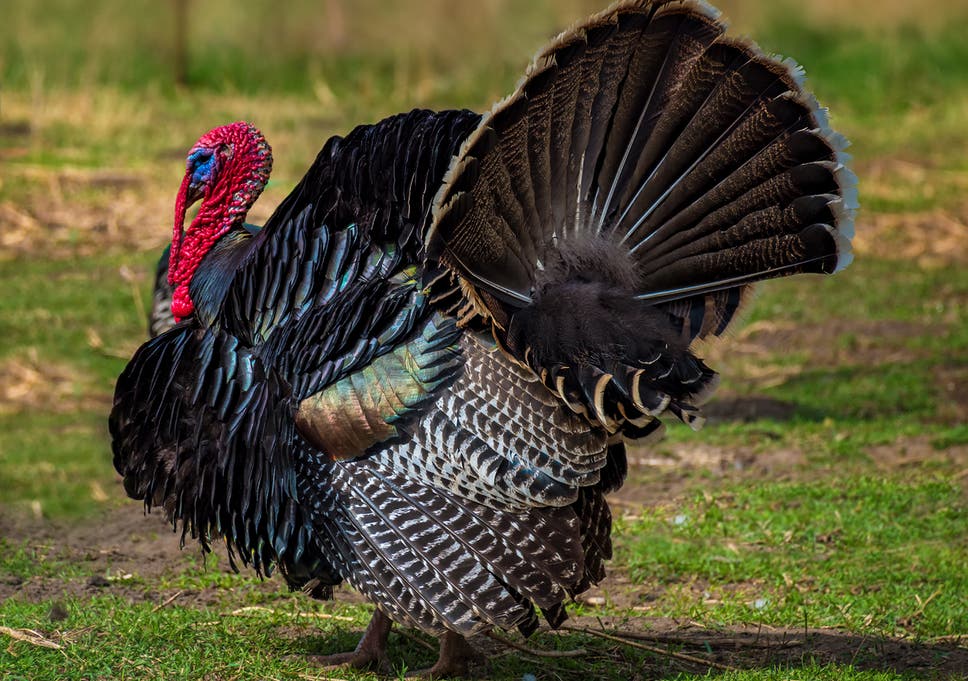
Well, this tale is about 75% Cinderella if you use those criteria. Why did I decide to include it? Well, I was fascinated by the language (the praise and then the shaming) as well as the incredible detail (and embroidery skills) of a herd of turkeys. This is quite like other tales that were meant as a moral lesson for young girls that we have previously read. Our humble girl is a poor turkey herder. She longs to go to The Dance of the Sacred Bird. There is no stepmother forcing her into poverty, but she is still dressed in rags and cannot go to the dance. Because of her gentle temperament, the turkeys all flock round her (literally) and offer to clean her dirty face, brush her tangled hair, repair and make her tattered clothes fine and hock up some jewellery for her. (Presently beginning to cough, he produced in his beak a beautiful necklace.) There is another version, less well told that you can read HERE where they also lovingly pick the lice from her hair. She is given this makeover freely but is warned that she must not stay too long and have her head turned. She is a turkey herder and is responsible to her flock. If she stays out late, who will bring them in to roost at night safe from predators? She must remember her turkeys and not become ashamed of her humble background and forgot to come home. 
If she comes home on time to tend to the flock, they will continue to bless her and provide her with riches that befit her kind-hearted nature, but if she doesn’t then she’s on her own.

Alas, our heroine’s head is turned, and she is enchanted by the Chief of the dance. They dance together far past sunset and Old Gobbler decides she is not worthy of their help. She is a selfish tart and they will not be helping her after all. Then they literally fly the coop and leave her alone with no livelihood as a punishment for having fun. She looks down and her finery has turned to rags and she is poor and destitute. There is no marriage to the Chief of the dance. There is no beloved turkey herd to care for. She is utterly alone.

This ending could well have been written by Charles Perrault the French writer who brought us the moralistic Little Red Riding Hood about losing one’s virginity and being punished with a well-deserved death.

So, if this is tale does not end in marriage…is it a Cinderella story? Does a Cinderella story always have to have a happy ending? What do you think?
Image result for turkey
source
The Poor Turkey Girl source
Long, long ago, our ancients had neither sheep nor horses nor cattle; yet they had domestic animals of various kinds -- amongst them turkeys.

In Mátsake, or the Salt City, there dwelt at this time many very wealthy families, who possessed large flocks of these birds, which it was their custom to have their slaves or the poor people of the town herd in the plains round about Thunder Mountain, below which their town stood, and on the mesas beyond.

Now, in Mátsake at this time there stood, away out near the border of the town, a little tumble-down, single-room house, wherein there lived alone a very poor girl, -- so poor that her clothes were patched and tattered and dirty, and her person, on account of long neglect and ill-fare, shameful to look upon, though she herself was not ugly, but had a winning face and bright eyes; that is, if the face had been more oval and the eyes less oppressed with care.

So poor was she that she herded turkeys for a living; and little was given to her except the food she subsisted on from day to day, and perhaps now and then a piece of old, worn-out clothing.

Like the extremely poor everywhere and at all times, she was humble, and by her longing for kindness, which she never received, she was made kind even to the creatures that depended upon her and lavished this kindness upon the turkeys she drove to and from the plains every day. Thus, the turkeys, appreciating this, were very obedient. They loved their mistress so much that at her call they would unhesitatingly come, or at her behest go whithersoever and whensoever she wished.

One day this poor girl, driving her turkeys down into the plains, passed near Old Zuni, -- the Middle Ant Hill of the World, as our ancients have taught us to call our home, -- and as she went along, she heard the herald-priest proclaiming from the housetop that the Dance of the Sacred Bird (which is a very blessed and welcome festival to our people, especially to the youths and maidens who are permitted to join in the dance) would take place in four days.

Now, this poor girl had never been permitted to join in or even to watch the great festivities of our people or the people in the neighboring towns, and naturally she longed very much to see this dance. But she put aside her longing, because she reflected: "It is impossible that I should watch, much less join in the Dance of the Sacred Bird, ugly and ill-clad as I am."

And thus musing to herself, and talking to her turkeys, as was her custom, she drove them on, and at night returned them to their cages round the edges and in the plazas of the town.

Every day after that, until the day named for the dance, this poor girl, as she drove her turkeys out in the morning, saw the people busy in cleaning and preparing their garments, cooking delicacies, and otherwise making ready for the festival to which they had been duly invited by the other villagers, and heard them talking and laughing merrily at the prospect of the coming holiday. So, as she went about with her turkeys through the day, she would talk to them, though she never dreamed that they understood a word of what she was saying.

It seems that they did understand even more than she said to them, for on the fourth day, after the people of Mátsake had all departed toward Zuni, and the girl was wandering around the plains alone with her turkeys, one of the big gobblers strutted up to her, and making a fan of his tail, and skirts, as it were, of his wings, blushed with pride and puffed with importance, stretched out his neck and said: 

"Maiden mother, we know what your thoughts are, and truly we pity you, and wish that, like the other people of Mátsake, you might enjoy this holiday in the town below. We have said to ourselves at night, after you have placed us safely and comfortably in our cages: 'Truly our maiden mother is as worthy to enjoy these things as anyone in Mátsake, or even Zuni.' Now, listen well, for I speak the speech of all the elders of my people: If you will drive us in early this afternoon, when the dance is most gay and the people are most happy, we will help you to make yourself so handsome and so prettily dressed that never a man, woman, or child amongst all those who are assembled at the dance will know you; but rather, especially the young men, will wonder whence you came, and long to lay hold of your hand in the circle that forms round the altar to dance. Maiden mother, would you like to go to see this dance, and even to join in it, and be merry with the best of your people?"

The poor girl was at first surprised. Then it seemed all so natural that the turkeys should talk to her as she did to them, that she sat down on a little mound, and, leaning over, looked at them and said: 

"My beloved turkeys, how glad I am that we may speak together! But why should you tell me of things that you full well know I so long to, but cannot by any possible means, do?"

"Trust in us," said the old gobbler, "for I speak the speech of my people, and when we begin to call and call and gobble and gobble, and turn toward our home in Mátsake, do you follow us, and we will show you what we can do for you. Only let me tell you one thing: No one knows how much happiness and good fortune may come to you if you but enjoy temperately the pleasures we enable you to participate in. But if, in the excess of your enjoyment, you should forget us, who are your friends, yet so much depend upon you, then we will think: 'Behold, this our maiden mother, though so humble and poor, deserves, forsooth, her hard life, because, were she more prosperous, she would be unto others as others now are unto her.'"

"Never fear, O my turkeys," cried the maiden, -- only half trusting that they could do so much for her, yet longing to try, -- "never fear. In everything you direct me to do I will be obedient as you always have been to me."

The sun had scarce begun to decline, when the turkeys of their own accord turned homeward, and the maiden followed them, light of heart. They knew their places well, and immediately ran to them. 

When all had entered, even their bare-legged children, the old gobbler called to the maiden, saying: 

"Enter our house."

She therefore went in.

"Now, maiden, sit down," said he, "and give to me and my companions, one by one, your articles of clothing. We will see if we cannot renew them."

The maiden obediently drew off the ragged old mantle that covered her shoulders and cast it on the ground before the speaker. He seized it in his beak, and spread it out, and picked and picked at it; then he trod upon it, and lowering his wings, began to strut back and forth over it. Then taking it up in his beak, and continuing to strut, he puffed and puffed, and laid it down at the feet of the maiden, a beautiful white embroidered cotton mantle. Then another gobbler came forth, and she gave him another article of dress, and then another and another, until each garment the maiden had worn was new and as beautiful as any possessed by her mistresses in Mátsake.

Before the maiden donned all these garments, the turkeys circled about her, singing and singing, and clucking and clucking, and brushing her with their wings, until her person was as clean and her skin as smooth and bright as that of the fairest maiden of the wealthiest home in Mátsake. Her hair was soft and wavy, instead of being an ugly, sun-burnt shock; her cheeks were full and dimpled, and her eyes dancing with smiles, -- for she now saw how true had been the words of the turkeys.

Finally, one old turkey came forward and said: "Only the rich ornaments worn by those who have many possessions are lacking to thee, O maiden mother. Wait a moment. We have keen eyes, and have gathered many valuable things, -- as such things, being small, though precious, are apt to be lost from time to time by men and maidens."

Spreading his wings, he trod round and round upon the ground, throwing his head back, and laying his wattled beard on his neck; and, presently beginning to cough, he produced in his beak a beautiful necklace; another turkey brought forth earrings, and so on, until all the proper ornaments appeared, befitting a well-clad maiden of the olden days, and were laid at the feet of the poor turkey girl.

With these beautiful things she decorated herself, and, thanking the turkeys over and over, she started to go, and they called out: "O maiden mother, leave open the wicket, for who knows whether you will remember your turkeys or not when your fortunes are changed, and if you will not grow ashamed that you have been the maiden mother of turkeys? But we love you and would bring you to good fortune. 
Therefore, remember our words of advice, and do not tarry too long."

"I will surely remember, O my Turkeys!" answered the maiden.

Hastily she sped away down the river path toward Zuni. When she arrived there, she went in at the western side of the town and through one of the long covered ways that lead into the dance court. When she came just inside of the court, behold, everyone began to look at her, and many murmurs ran through the crowd, -- murmurs of astonishment at her beauty and the richness of her dress, - and the people were all asking one another, "Whence comes this beautiful maiden?"

Not long did she stand there neglected. The chiefs of the dance, all gorgeous in their holiday attire, hastily came to her, and, with apologies for the incompleteness of their arrangements, -- though these arrangements were as complete as they possibly could be, -- invited her to join the youths and maidens dancing round the musicians and the altar in the center of the plaza. With a blush and a smile and a toss of her hair over her eyes, the maiden stepped into the circle, and the finest youths among the dancers vied with one another for her hand. Her heart became light and her feet merry, and the music sped her breath to rapid coming and going, and the warmth swept over her face, and she danced and danced until the sun sank low in the west.

But, alas! In the excess of her enjoyment, she thought not of her turkeys, or, if she thought of them, she said to herself, "How is this, that I should go away from the most precious consideration to my flock of gobbling turkeys? I will stay a while longer, and just before the sun sets I will run back to them, that these people may not see who I am, and that I may have the joy of hearing them talk day after day and wonder who the girl was who joined in their dance."

So the time sped on, and another dance was called, and another, and never a moment did the people let her rest; but they would have her in every dance as they moved around the musicians and the altar in the center of the plaza.

At last the sun set, and the dance was well-nigh over, when, suddenly breaking away, the girl ran out, and, being swift of foot, -- more so than most of the people of her village, -- she sped up the river path before anyone could follow the course she had taken.

Meantime, as it grew late, the turkeys began to wonder and wonder that their maiden mother did not return to them. At last a gray old gobbler mournfully exclaimed, "It is as we might have expected. She has forgotten us; therefore is she not worthy of better things than those she has been accustomed to. Let us go forth to the mountains and endure no more of this irksome captivity, inasmuch as we may no longer think our maiden mother as good and true as once we thought her."

So, calling and calling to one another in loud voices, they trooped out of their cage and ran up toward the Canyon of the Cottonwoods, and then round behind Thunder Mountain, through the Gateway of Zuni, and so on up the valley.

All breathless, the maiden arrived at the open wicket and looked in. Behold, not a turkey was there! Trailing them, she ran and she ran up the valley to overtake them; but they were far ahead, and it was only after a long time that she came within the sound of their voices, and then, redoubling her speed, well-nigh overtook them, when she heard them singing this song :

Up the river, to! to!
Sing ye ye!
Up the river, to! to!
Sing yee huli huli!
Oh, our maiden mother
To the Middle Place
To dance went away;
Therefore as she lingers,
To the Canyon Mesa
And the plains above it
We all run away!
Sing ye yee huli huli,
Tot-tot, tot-tot, tot-tot,
Huli huli!
Tot-tot, tot-tot, tot-tot,
Huli huli!

Hearing this, the maiden called to her turkeys; called and called in vain. They only quickened their steps, spreading their wings to help them along, singing the song over and over until, indeed, they came to the base of the Canyon Mesa, at the borders of the Zuni Mountains. Then singing once more their song in full chorus, they spread wide their wings, and thlakwa-a-a, thlakwa-a-a, they fluttered away over the plains above.

The poor turkey girl threw her hands up and looked down at her dress. With dust and sweat, behold! it was changed to what it had been, and she was the same poor turkey girl that she was before. Weary, grieving, and despairing, she returned to Mátsake.

Thus it was in the days of the ancients. Therefore, where you see the rocks leading up to the top of Canyon Mesa (Shoya-k'oskwi), there are the tracks of turkeys and other figures to be seen. The latter are the song that the turkeys sang, graven in the rocks; and all over the plains along the borders of Zuni Mountains since that day turkeys have been more abundant than in any other place.
After all, the gods dispose of men according as men are fitted; and if the poor be poor in heart and spirit as well as in appearance, how will they be aught but poor to the end of their days?

Thus shortens my story.

That’s all for this week. Stay tuned next week for a tale from Wales.